Sri Lanka apparel sector targets upstream investment as US trade pressure rises
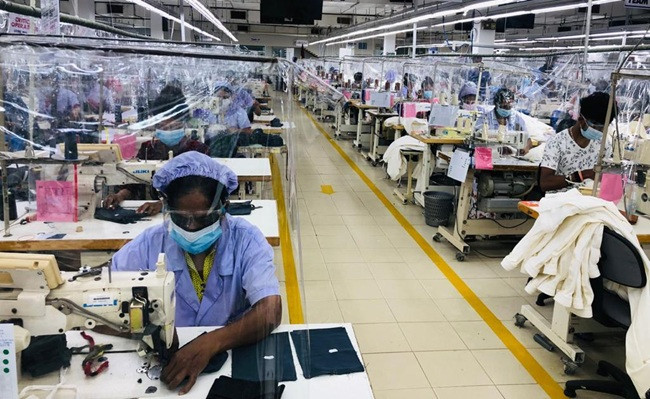
The push comes as Sri Lanka targets $8 billion in apparel exports by 2030. The industry body Joint Apparel Association Forum (JAAF) says dependence on imported materials remains a major constraint. Domestic production currently meets only about one-third of demand for synthetic yarn and fabric.
Sri Lanka’s apparel and textile exports reached $5.02 billion in 2025, up 5.4% from $4.76 billion a year earlier. The US remained the largest market at $1.95 billion, followed by the EU at $1.58 billion and the UK at $680 million.
However, the industry remains heavily dependent on imported inputs. The US Department of Commerce estimates that Sri Lanka’s apparel sector spends about $2 billion annually on inputs, primarily fabric. It identifies grey fabric, denim, polyester yarn and specialized fabrics as investment opportunities.
JAAF is therefore seeking incentives to attract foreign investment into fabric mills while encouraging existing manufacturers to reinvest in upstream facilities, trims and packaging.
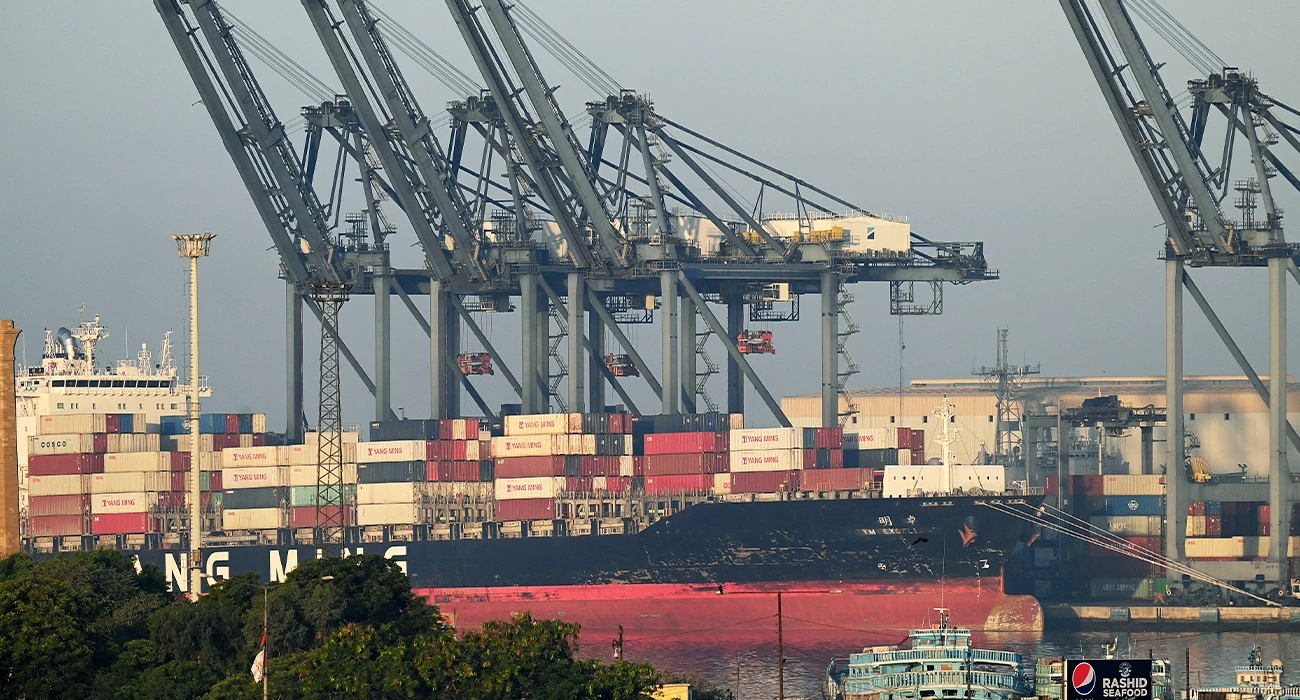
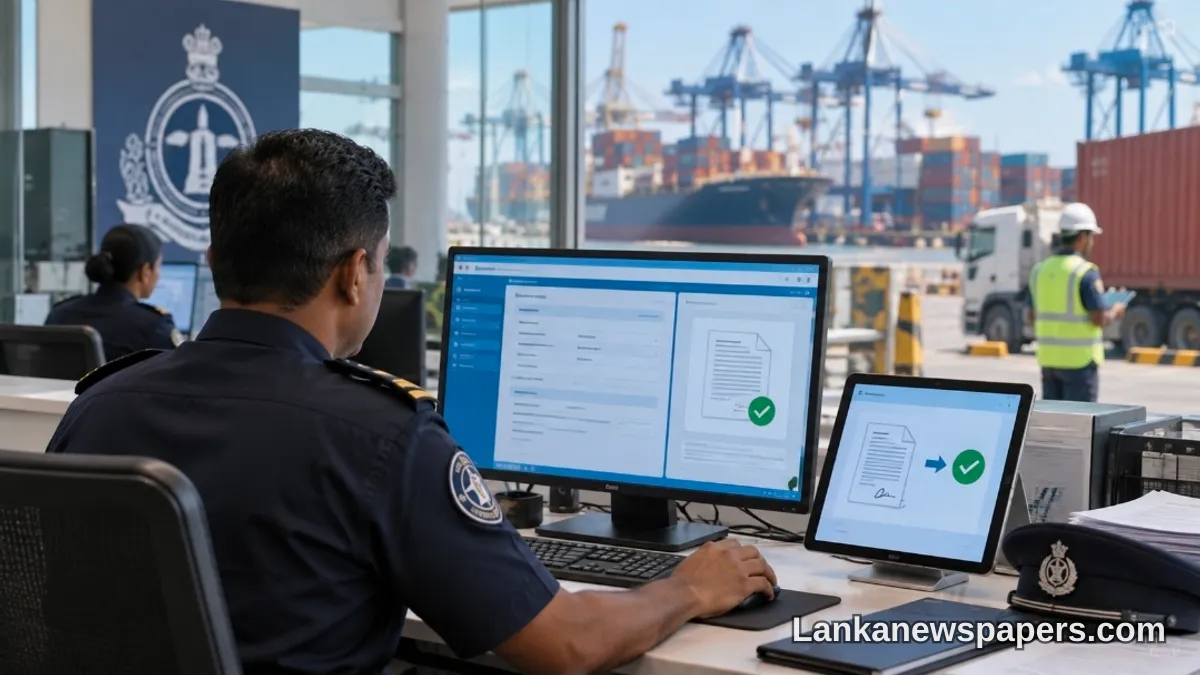
The US market has become a parallel focus for the sector. Sri Lanka's exports to the US reached $3.15 billion across all products in 2024, making it the country's largest single export market. Sri Lankan officials have continued discussions with Washington on trade terms. In July 2026, the US moved Sri Lanka into a 10% Section 301 tariff rate after the country committed to stronger measures against forced-labor imports.
Sri Lanka is also gaining greater flexibility in the UK market. From January 2026, revised Developing Countries Trading Scheme rules allow eligible Sri Lankan apparel producers to source 47.5% to 100% of garment inputs globally, removing the previous double-transformation requirement.