India's economy is expected to grow from 6.5 per cent to 6.8 per cent in the current fiscal year, with growth expected to pick up speed in the second half as festive season demand, reduced interest rates, and favorable global conditions boost activity regardless of downsides from geopolitical disputes and climatic disruptions, as per Deloitte India report. GeographicReference
India had comparatively stable macroeconomic fundamentals going into 2026, according to Deloitte's latest Economic Outlook study. However, rising geopolitical crisis in the Middle East interrupted important shipping routes, raised commodity price volatility and dampened investor mood.
According to the consultancy, the pressure that followed led to a dramatic decline in the value of the rupee relative to the US dollar, prolonged capital outflows, and increased India's trade imbalance.
Meanwhile, the Reserve Bank of India's (RBI) revised estimate of 6.6 percent growth for the 2026–2027 fiscal year, which was reduced from 6.9 percent last month, is largely in line with Deloitte's expectation. In the preceding fiscal year, India's economy grew by 7.7 percent.
GeographicReference
Rumki Majumdar, Deloitte India economist, said in a report the world landscape has become significantly more unpredictable. “While recent geopolitical developments and the RBI's policy measures may help cushion some of these risks, weather-related uncertainties, particularly the impact of El Nino on agricultural output and food prices, remain an important downside risk," she said.
According to Majumdar, economic growth is expected to be modest in the first half of the fiscal year before picking up steam later due to monetary easing, holiday spending, and a slow stabilization of the world economy.
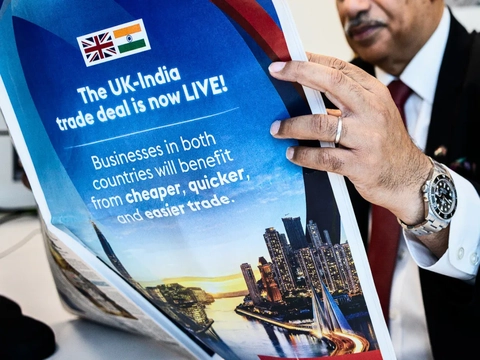
The report stated that it is positive about India's medium-term prospects despite short-term difficulties, citing the nation's increased efforts to reach free trade agreements with key economies.
Furthermore, the report highlights that trade agreements by alone would not be enough to maintain long-term competitiveness. Instead, complementing industrial policies, robust local supply chains, top-notch infrastructure, easier compliance standards, and ongoing investments in innovation and skills are required.
Additionally, Deloitte identified inflation as a major risk to the GDP outlook, cautioning that rising costs for food oils, crude oil, fertilizers, and essential minerals, along with a declining rupee, might continue to drive up domestic prices.
The research cautioned that a deficient monsoon could exacerbate inflationary pressures by raising the likelihood of wider price pressures due to increased inflation expectations and pay demands, as Because food accounts for over 46 percent of the consumer price index basket.